- What is Shared Hosting?
- What is VPS Hosting?
- Key Differences Between Shared Hosting and VPS
- Pros and Cons of Shared Hosting
- Pros and Cons of VPS Hosting
- When to Choose Shared Hosting
- When to Choose VPS Hosting
- Impact on SEO and Performance
- Cost Comparison: Shared Hosting vs VPS
- Conclusion: Which Hosting is Right for You?
What is Shared Hosting?
Shared hosting is one of the most common and affordable web hosting options available today. In simple terms, it’s like renting an apartment in a large building where multiple tenants share the same resources, such as electricity, water, and common areas. Similarly, in shared hosting, your website resides on a single physical server alongside hundreds or even thousands of other sites.
The hosting provider manages the server, handling maintenance, security updates, and resource allocation. This setup makes shared hosting ideal for small websites, personal blogs, or startups with low to moderate traffic. Popular providers like Hostinger, Bluehost, and SiteGround offer shared plans starting as low as $2-5 per month.
Key features of shared hosting include:
- Ease of Use: Most plans come with user-friendly control panels like cPanel, making it simple to install CMS like WordPress without technical expertise.
- Cost-Effectiveness: You pay only for your slice of the server, keeping costs low.
- Basic Resources: Shared CPU, RAM, and bandwidth, which can fluctuate based on other sites’ usage.
However, this sharing model has its limitations. If a neighboring site experiences a traffic spike or gets hacked, it could affect your site’s performance or security. For those querying “what is shared hosting,” it’s essentially a budget-friendly way to get online quickly, but it may not suit high-traffic or resource-intensive sites.
What is VPS Hosting?
VPS hosting, or Virtual Private Server hosting, takes things up a notch by providing a virtualized environment that mimics a dedicated server. Imagine dividing that same apartment building into private units where each tenant has their own allocated space and resources, isolated from others. Using virtualization technology like KVM or OpenVZ, a physical server is partitioned into multiple virtual servers, each with dedicated RAM, CPU, and storage.
This gives users root access, allowing full customization of the server environment, including installing custom software or configuring security settings. VPS is popular among medium-sized businesses, developers, and sites with growing traffic, as it offers better performance than shared hosting without the high cost of dedicated servers. Plans typically range from $10-50 per month, depending on resources.
Highlights of VPS hosting:
- Dedicated Resources: Guaranteed CPU, RAM, and bandwidth, ensuring consistent performance.
- Scalability: Easily upgrade resources as your site grows.
- Enhanced Control: Full administrative access for advanced configurations.
For searches like “what is VPS hosting,” it’s a middle-ground solution that provides privacy and power, making it suitable for e-commerce sites, apps, or any project needing reliability.
Key Differences Between Shared Hosting and VPS
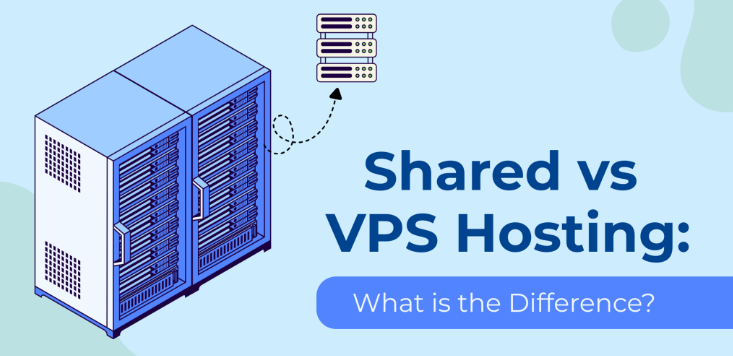
When comparing “shared hosting vs VPS,” the core distinctions boil down to resource allocation, performance, control, and cost. Here’s a detailed breakdown:
| Aspect | Shared Hosting | VPS Hosting |
|---|---|---|
| Resource Allocation | Shared among multiple users | Dedicated to your virtual server |
| Performance | Can be affected by other sites’ traffic | Consistent and reliable |
| Control & Customization | Limited access; no root privileges | Full root access; customizable |
| Security | Basic; vulnerable to neighbor issues | Enhanced isolation and security |
| Scalability | Limited; upgrades mean switching plans | Highly scalable with easy resource adds |
| Cost | Low ($2-10/month) | Higher ($10-100+/month) |
| Ideal For | Small sites, blogs, low traffic | Growing sites, e-commerce, apps |
As noted in various hosting guides, shared hosting is like a communal pool where everyone dips in, potentially leading to slower speeds during peak times. In contrast, VPS ensures your resources are ring-fenced, offering better speed and uptime.
Another key difference is administrative access. With shared hosting, you can’t modify server software, whereas VPS allows actions like installing specific PHP versions or optimizing for SEO tools.
Pros and Cons of Shared Hosting
Pros:
- Affordability: Perfect for budget-conscious users; entry-level plans are inexpensive.
- Simplicity: No need for server management skills; providers handle everything.
- Quick Setup: Get your site live in minutes with one-click installs.
- Maintenance-Free: Automatic updates and backups included in most plans.
Cons:
- Performance Limitations: “Bad neighbor” effect can slow your site if others overuse resources.
- Limited Resources: Caps on storage, bandwidth, and traffic.
- Security Risks: Shared environment increases vulnerability to attacks.
- Scalability Issues: Not suitable for high-traffic sites; may require migration to VPS.
For small businesses or hobbyists, these pros often outweigh the cons, especially when starting out.
Pros and Cons of VPS Hosting
Pros:
- Superior Performance: Dedicated resources mean faster load times, benefiting SEO.
- Full Control: Customize server settings to fit your needs.
- Better Security: Isolated environment reduces risks from other users.
- Scalability: Add RAM, CPU, or storage on-demand without downtime.
Cons:
- Higher Cost: More expensive than shared options.
- Technical Knowledge Required: Managing a VPS often needs sysadmin skills.
- Self-Management: Unless opting for managed VPS, you’re responsible for updates.
- Resource Limits: Still not as powerful as dedicated servers for very large sites.
VPS shines for users who outgrow shared hosting and need more power.
When to Choose Shared Hosting
Opt for shared hosting if:
- You’re a beginner with a simple website.
- Your traffic is under 10,000 visitors/month.
- Budget is a primary concern.
- You prefer hands-off management.
Examples include personal portfolios, small blogs, or local business sites. Many top providers offer shared plans optimized for WordPress, which can handle basic SEO needs effectively.
When to Choose VPS Hosting
Choose VPS when:
- Your site experiences growing traffic (10,000-100,000 visitors/month).
- You need custom software or configurations.
- Performance and uptime are critical for e-commerce or apps.
- SEO is a priority, as faster speeds improve rankings.
For instance, online stores using WooCommerce benefit from VPS’s reliability during sales peaks.
Impact on SEO and Performance
SEO experts agree that hosting choice affects rankings. Shared hosting can lead to slower speeds if resources are strained, negatively impacting core web vitals like Largest Contentful Paint (LCP). VPS, with dedicated resources, ensures quicker loading, better for user experience and search rankings.
In 2025, with Google’s emphasis on mobile-first indexing and speed, VPS often provides an edge for competitive keywords like “best VPS for SEO.”
Cost Comparison: Shared Hosting vs VPS
Shared plans average $3-15/month, while VPS starts at $20-60/month for entry-level. Factor in add-ons like SSL certificates or CDNs. Over time, VPS may save money by preventing downtime costs.
Conclusion: Which Hosting is Right for You?
In the “shared hosting vs VPS” debate, there’s no one-size-fits-all. Shared hosting wins for affordability and ease, ideal for starters. VPS excels in performance and control, perfect for scaling. Assess your traffic, budget, and technical needs. If unsure, start with shared and upgrade to VPS as you grow.
For the best SEO, choose a host with fast servers, good uptime, and CDN integration. Research providers like Bluehost for shared or Liquid Web for VPS. Ready to decide? Comment below your thoughts on shared vs VPS hosting!
FAQs
- What is the main difference between shared hosting and VPS?
Shared hosting shares resources with others, while VPS provides dedicated virtual resources. - Is VPS better than shared hosting for SEO?
Yes, due to better speed and reliability. - How much does shared hosting cost vs VPS?
Shared: $2-10/month; VPS: $10-50/month. - Can I switch from shared to VPS easily?
Most hosts offer seamless migrations. - Which is more secure: shared or VPS?
VPS, thanks to isolation.
About the Author